


Crypt Wendtii: Caring for Cryptocoryne wendtii

Aquarium Plant Care Sheet
:
The care sheet provides information for the cultivation and propogation of Cryptocoryne wendtii.
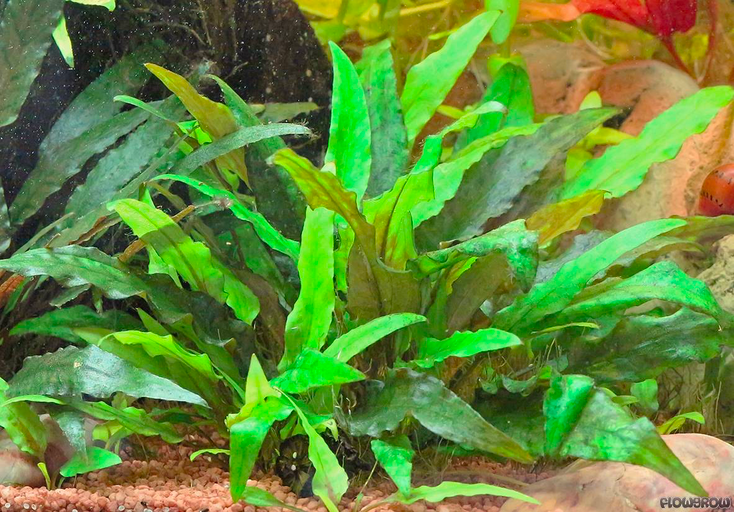
Table of Contents
Introduction and Taxonomy
Cryptocoryne wendtii, universally recognized in the aquarium and botanical trades by the common names Wendt's water trumpet, Green Wendtii Catacomb, or simply water trumpet, is an immensely popular and scientifically significant ornamental aquatic plant. For decades, it has served as a foundational species in freshwater aquascaping, revered for its remarkable physiological resilience, high degree of polymorphism, and overall adaptability to a vast array of enclosed ecosystem conditions. The historical cultivation of the Cryptocoryne genus in European aquaria dates back to the 1910s, but the specific introduction and mass commercialization of C. wendtii fundamentally altered the standards for low-maintenance planted aquariums.
Taxonomically, Cryptocoryne wendtii is positioned within the plant division Magnoliophyta, encompassing the angiosperms, or flowering seed plants. It belongs to the class Liliopsida, which includes all monocotyledons, and falls under the order Alismatales. More specifically, the species is a prominent member of the Araceae family. Plants within this family are commonly referred to as aroids, distinguished primarily by their unique inflorescence structure, which consists of a fleshy spadix subtended by a specialized bract known as a spathe. The genus Cryptocoryne is one of the most thoroughly documented genera within the aroid family, comprising approximately sixty distinct recognized species.
The botanical history of the genus dates back to 1779 when Anders Jahan Retzius first described a related species as Arum spirale. Later, in 1828, the Russian botanist Friedrich Ernst Ludwig von Schlechtendal contributed significantly to the early understanding of these plants. However, the specific identification and description of Cryptocoryne wendtii are attributed to the renowned Dutch botanist Hendrik de Wit, who extensively studied and documented the immense variability of the species.
The taxonomy of the Cryptocoryne genus is notoriously complex and subject to continuous revision by modern botanists. This complexity arises from a high degree of natural hybridization and the frequent occurrence of polyploidy—a genetic condition wherein the basic chromosome number is multiplied. Research involving chromosomal counting has revealed that members of this genus, such as C. cordata and closely related species, exhibit wide ranges of chromosome numbers, including 2n = 34, 68, 85, and even 102. This extreme genetic plasticity directly influences the physical appearance of the plants. In the case of Cryptocoryne wendtii, this plasticity manifests as profound morphological variability, making the classification of its many sub-varieties highly difficult. Consequently, instead of rigid botanical sub-species designations, the varying forms of C. wendtii are generally classified and traded as distinct commercial cultivars.
Summary Table of Ideal Care Parameters
The following table provides a comprehensive overview of the baseline physiological and environmental requirements for the successful long-term cultivation of Cryptocoryne wendtii. The parameters listed reflect the optimal ranges for robust growth, though the species is noted for surviving beyond these strict boundaries.
Parameter | Ideal Range | Notes |
Difficulty | Easy to Medium | Highly resilient to fluctuating conditions, making it an excellent choice for novice aquarists, though sensitive to sudden parameter shifts. |
Placement | Foreground to Midground | Specific placement depends entirely on the tank size and the specific cultivar chosen. |
Lighting | Low to Moderate | Low light promotes elongated, taller growth; moderate light promotes compact, bushy growth and intense pigmentation. |
Temperature | 72–82°F (22–28°C) | Exhibits high thermal tolerance compared to other aquatic plants, surviving standard tropical aquarium temperatures with ease. |
pH | 6.5–8.0 | Optimal growth occurs near neutral, but the plant readily adapts to slightly acidic or distinctly alkaline conditions. |
General Hardness (GH) | 4–18 dGH (71–321 ppm) | Thrives in both soft, mineral-poor water and hard municipal tap water. |
Carbonate Hardness (KH) | 2–15 dKH | Sufficient buffering capacity is required to prevent rapid pH fluctuations, which trigger physiological stress. |
TDS | 150–300 ppm | Tolerates a wide spectrum of dissolved solids; stability is significantly more important than achieving a precise numerical value. |
Water Flow | Gentle to Moderate | Excessive, turbulent currents can physically damage foliage or uproot the shallow crown from the substrate. |
Substrate | Nutrient-rich | A heavy root feeder requiring a biologically active, nutrient-dense substrate such as aqua soil or enriched clay gravel. |
CO2 | Not required to Low | Carbon dioxide injection is completely optional, though its application will dramatically accelerate growth and leaf size. |
Fertilization | Substrate-based | Primary nutrient uptake occurs through the root network via root tabs; water column fertilization is secondary. |
Growth Rate | Slow | Development is gradual; the plant relies on slow, methodical root expansion before producing dense foliage. |
Propagation | Runners | Vegetative reproduction occurs naturally via lateral rhizome extensions beneath the substrate surface. |
Compatible Species | Community fish, invertebrates | Ideal for small tetras, bettas, and shrimp; strictly incompatible with large, digging cichlids or herbivorous fish. |
Maintenance | Low | Requires infrequent pruning; the most critical maintenance rule is to avoid uprooting established specimens. |
Common Issues | Crypt Melt | A defense mechanism triggered by sudden environmental changes, resulting in the rapid disintegration of existing leaves. |
Cultivars | Green, Brown, Red, Tropica | A highly polymorphic species encompassing numerous commercially stabilized color and morphological variations. |
Native Range and Geographic Distribution
The native geographic distribution of Cryptocoryne wendtii is strictly endemic to the island nation of Sri Lanka, situated in the Indian Ocean. While the broader Cryptocoryne genus is distributed widely across Southeast Asia—specifically inhabiting the geographical landmass historically known as the Sunda plat, which formed during the last glacial period over ten thousand years ago—C. wendtii evolved in complete isolation within the specific, highly localized hydrological systems of Sri Lanka.

Globally, the distribution of Cryptocoryne wendtii has expanded exponentially due to its immense popularity and commercial viability within the ornamental aquaculture trade. It is mass-cultivated in hydroponic nurseries and specialized tissue culture laboratories across Europe, Southeast Asia, and North America. However, the ecological status of the species within its natural, wild habitat is highly precarious.
Historically, the exploding global demand for this specific plant led to severe overharvesting by commercial collectors. Combined with localized habitat destruction—where natural riparian zones have been converted for agricultural use or infrastructure development—the wild populations of Cryptocoryne wendtii have plummeted. Consequently, the plant was formally declared a critically endangered species on the Red List of Sri Lanka, as assessed by the International Union for Conservation of Nature (IUCN) in 2012. At present, the extraction, collection, and exportation of wild Cryptocoryne wendtii specimens are strictly forbidden under domestic and international conservation laws. Every specimen currently available in the commercial trade is the product of captive propagation.
Beyond its natural endemic range and controlled commercial distribution, Cryptocoryne wendtii has established itself as an introduced, non-native species in specific geographic regions due to horticultural escape. Most notably, naturalized populations have been documented in the freshwater systems of the United States, specifically within the state of Florida. The plant has been identified in the spring-fed rivers of Marion County, near areas such as Dunnellon. In these environments, the species' innate adaptability has allowed it to survive and successfully propagate outside of its native Sri Lankan range, integrating into the local aquatic ecosystems.
Natural Habitat and Environmental Conditions
In its native Sri Lankan environment, Cryptocoryne wendtii functions as an amphibious riparian species, naturally occupying the transition zones between terrestrial and aquatic ecosystems. It is predominantly found growing in solitary, localized colonies confined to the upper reaches of shallow, slow-moving freshwater streams, small rivers, and their associated littoral zones. The specific hydrology of these environments is critical to the plant's survival; it favors slow currents and occasionally stagnant backwaters where the mechanical force of the water is low, preventing the plant from being swept away.


The light exposure in these natural habitats is heavily restricted. Cryptocoryne wendtii thrives almost exclusively under the dense, overarching canopy of the tropical forest. This canopy filters out the vast majority of direct, high-intensity sunlight, creating a persistently shaded, subdued lighting environment. Over millennia, this lack of abundant light has driven the plant's evolutionary adaptation to low-light photosynthesis. It possesses a highly efficient photosynthetic apparatus that allows it to generate sufficient cellular energy in environments where more demanding aquatic plants would quickly perish.
The natural substrate is deeply foundational to both the plant's individual survival and its ecological role. In the wild, C. wendtii roots itself deeply into highly complex, nutrient-dense substrates. These riverbeds are typically composed of mud, sand, and fine gravel, heavily enriched with laterite (a soil type rich in iron and aluminum) and immense accumulations of decaying organic detritus, such as fallen leaves and forest debris. This constant decomposition supplies the plant's extensive root system with an unbroken source of essential macronutrients and trace elements. Furthermore, the deep, interwoven rhizome network of these plant colonies plays a vital ecological role by stabilizing the soft riverbanks, effectively preventing severe soil erosion during periods of seasonal flooding or elevated water flow.
Water quality in its native range is highly variable but generally trends toward soft and slightly acidic conditions. This is typical of tropical forest streams that are fed by pure rainwater and filtered through thick layers of acidic peat and leaf litter. However, the true resilience of the species is demonstrated by its ability to colonize disparate environments. Specific populations of Cryptocoryne wendtii have been documented thriving in areas characterized by limestone substrates, exposing the plants to highly alkaline, mineral-hard water. Additionally, the species exhibits a remarkable tolerance for slightly brackish water near coastal estuaries. This extraordinary environmental flexibility is the primary reason the plant transitions so effortlessly into the artificial confines of the home aquarium.
Morphological and Growth Characteristics
Cryptocoryne wendtii is a morphologically complex, herbaceous perennial that exhibits pronounced heterophylly—a biological phenomenon wherein a single plant species possesses the ability to produce drastically different leaf shapes, textures, and anatomical structures depending on whether it is growing submersed (underwater), emersed (with roots in water but foliage in the open air), or emergent (completely above the waterline in highly humid soils).
The foundational structural element of the plant is its creeping rhizomatous base. The rhizome is a thick, fleshy underground stem that functions as the central command center and primary storage organ for starches, carbohydrates, and nutrients. From this central rhizome, an elaborate, highly extensive root network descends deep into the substrate. This massive root architecture serves a dual purpose: it anchors the plant securely against flowing water currents, and it acts as the primary conduit for nutrient absorption, as the plant is a dedicated substrate feeder.
The overall growth habit of the plant is a classic rosette. The leaves radiate outward and upward from a central crown, which is located just at or slightly above the surface of the substrate. The specific morphology of the foliage is highly polymorphous, varying immensely even within a single colony. Leaf blades can range from narrow and linear to broadly cordate (heart-shaped). In the wild, leaves can reach total lengths ranging from 5 to 18 inches (12 to 45 cm). However, under typical enclosed aquarium cultivation, the plant generally maintains a much smaller footprint, reaching a maximum height of 2 to 4 inches (5 to 10 cm), though certain large-form cultivars may average 6 to 8 inches (15 to 20 cm) in height.
The margins of the leaves may be perfectly entire (smooth), heavily undulated (wavy in the vertical plane), or slightly ruffled. The surface texture of the leaf blade is frequently bullate, meaning it appears heavily puckered, dimpled, or blistered. Coloration is exceptionally diverse, dictated by a combination of genetics and environmental inputs such as lighting and iron availability. Foliage can present in vibrant shades of grass green, olive, deep bronze, reddish-brown, and even striking purples.
The structural adaptations between the emersed and submersed forms are distinct and biologically vital. When growing emersed along the riverbanks, the leaves develop a significantly thicker waxy cuticle on the epidermal layer to prevent rapid desiccation in the atmospheric air. The petioles (leaf stems) become rigid and structurally dense to support the weight of the leaf blade without the natural buoyancy provided by water. Conversely, when the plant transitions to submersed growth, the leaves undergo a physical transformation. The heavy cuticle is shed, resulting in thinner, more delicate leaves that allow for the direct exchange of dissolved gases and trace nutrients across the leaf surface. The submersed leaves are generally more intensely colored and exhibit a more pronounced undulation.
Reproduction in the wild is facilitated by highly specialized floral structures. As a member of the Araceae family, Cryptocoryne wendtii produces a distinct inflorescence, but this flowering only occurs if the plant is growing in emersed or emergent conditions; it will not flower while fully submerged. The inflorescence consists of a very short, fleshy spike called a spadix, which bears the tiny male and female flowers. The female flowers are located below the male flowers, separated by a slender axis.
This spadix is entirely enclosed within a modified leaf bract known as a spathe. The base of the spathe is dilated into a tubular chamber called the kettle, which acts as a physical trap for specific pollinating insects. Above the kettle, the spathe expands into a structure called the limb. The limb of C. wendtii is generally ovate to elongate, highly asymmetrical, and frequently twisted. The internal coloration of the limb is normally a deep reddish-brown, but mutations can render it yellow, pale purplish, or greenish. A pronounced, deep brown ring of tissue, known as the collar, marks the entrance to the kettle. These elaborate morphological features are evolutionary adaptations designed to ensure successful pollination in the dense, competitive environment of the tropical forest.
Ideal Water Parameters
The physiological durability of Cryptocoryne wendtii allows it to thrive across a remarkably broad spectrum of water chemistry parameters. While many aquatic plants require highly specific, tightly controlled environments to survive, this species demonstrates immense flexibility, making it an ideal candidate for diverse freshwater aquatic setups.
Temperature requirements for optimal metabolic function range from 72 to 82°F (22 to 28°C). Cryptocoryne wendtii exhibits a notable tolerance for elevated temperatures compared to many other members of its genus. While prolonged exposure to water exceeding 85°F can induce metabolic stress and accelerate leaf senescence, the plant easily withstands standard tropical aquarium conditions and seasonal temperature fluctuations without issue.
The optimal pH range for C. wendtii is slightly acidic to neutral, falling between 6.5 and 8.0. The pH scale is a logarithmic measurement of the ratio of positive hydrogen cations (H+) to negative hydroxyl anions (OH-). Because the plant naturally inhabits regions with both decaying acidic peat and dissolved limestone, it possesses the enzymatic adaptability to process nutrients across a wide pH spectrum. The absolute pH value is far less critical than the stability of the water chemistry; sudden pH swings are highly detrimental and serve as a primary trigger for physiological shock.
General Hardness (GH), which measures the concentration of dissolved calcium and magnesium ions in the water, should ideally range between 4 and 18 dGH (approximately 71 to 321 ppm). Calcium and magnesium are vital for cell wall synthesis and enzymatic regulation. The plant's ability to thrive at 18 dGH indicates that it can be successfully cultivated in hard, mineral-rich municipal tap water without the need for expensive reverse-osmosis (RO) filtration systems.
Carbonate Hardness (KH), which measures the concentration of carbonates and bicarbonates, should be maintained between 2 and 15 dKH. KH represents the buffering capacity of the water. Adequate KH is absolutely vital in closed aquarium systems to neutralize organic acids produced by fish waste and to prevent the rapid, lethal pH crashes that occur when CO2 is injected into the water column. A stable KH ensures the plant's surrounding environment remains chemically consistent.
Total Dissolved Solids (TDS) provide a generalized, non-specific measurement of all dissolved organic and inorganic substances, including salts, minerals, and metals, present in the water column. For the successful cultivation of Cryptocoryne wendtii, a TDS range of 150 to 300 ppm is considered ideal. While the plant can survive in water with significantly higher TDS concentrations, excessive dissolved waste can impede the plant's ability to properly regulate its internal osmotic pressure. Monitoring TDS is primarily useful for identifying when a water change is necessary to remove accumulated pollutants rather than hitting a specific target number.
Water flow within the aquarium should be maintained at a gentle to moderate rate. Given that the plant naturally inhabits slow-moving streams, strong, highly turbulent currents generated by high-output circulation pumps or powerheads are detrimental. Excessive mechanical force can tear the delicate submersed foliage, force the plant into an unnatural posture, and gradually erode the substrate around the rosette, ultimately leading to the uprooting of the rhizome.
Aquarium Lighting Requirements
Lighting serves as the primary external energy source for the plant, dictating not only the basal photosynthetic rate of Cryptocoryne wendtii but also its physical morphology, color expression, and overall growth habit. As a plant evolutionarily adapted to the heavily shaded understory of tropical forests, it emphatically does not require high-intensity illumination to survive or flourish.
The ideal light intensity ranges from low to moderate. In standard aquarium terms, this equates to roughly 0.3 to 0.5 watts per liter using modern LED fixtures. Under low-light conditions, the plant exhibits a distinct, highly specific phototropic response: it allocates the majority of its biological energy toward vertical growth. The plant develops elongated petioles in an attempt to reach closer to the light source, resulting in a taller, more open, and "leggy" appearance.
Conversely, under moderate lighting, the plant adopts a more prostrate, compact, and bushy growth habit. The increased availability of light energy satisfies the plant's photosynthetic requirements without forcing vertical extension. Instead, the plant utilizes this excess energy to synthesize denser foliage and significantly intensify the pigmentation of the leaves. Moderate light is necessary to draw out the deep, vibrant reds, browns, and purples inherent to specific cultivars.
High-intensity lighting must be avoided unless it is heavily mitigated by the simultaneous application of supplemental carbon dioxide and aggressive substrate fertilization. Because Cryptocoryne wendtii is inherently a slow-growing species, placing it under intense light without providing the requisite carbon and nutrients causes a severe ecological imbalance. The plant cannot metabolize the light fast enough, providing a massive competitive advantage to algae. Prolonged exposure to intense light frequently leads to the leaves becoming heavily coated in green spot algae or black beard algae, which blocks light absorption and suffocates the plant.
The ideal spectrum for aquarium lighting falls within the daylight range of 5500K to 8000K. Color temperature, measured in Kelvin (K), affects both photosynthesis and aesthetics. A rating of 6500K effectively mimics neutral white natural sunlight, providing the specific blue and red light wavelengths necessary to maximize chlorophyll absorption. While fluorescent tubes (T5 and T8) were historically used, modern LED aquarium lighting is vastly superior, offering long lifespans, adjustable intensity, and dedicated spectral tuning perfectly suited for low-light aroids.
The photoperiod—the continuous duration of daily light exposure—should be strictly regulated to between 8 and 12 hours. Some aquarists prefer a shorter window of 6 to 8 hours to further inhibit algal growth. Regardless of the exact duration, consistency is critical. The use of mechanical or digital light timers is highly recommended to establish a stable circadian rhythm, allowing the plant to predictably transition between active photosynthesis and nighttime respiration.
In terms of physical placement within the aquarium, C. wendtii is highly versatile. It can be planted directly in the open under the primary light source if the fixture is dim. Alternatively, it is exceptionally useful when planted strategically in the shadows cast by larger hardscape elements, overhanging driftwood, or dense canopies of floating plants. Its rosette growth form makes it a premier candidate for hiding the bare, leafless lower stems of taller background plants that have shed their lower foliage due to light deprivation.
Substrate and Hardscape Preferences
The biological dependence of Cryptocoryne wendtii on its massive root system entirely dictates its substrate requirements. Unlike epiphytic ferns or fast-growing stem plants that can readily absorb the majority of their required nutrients directly from the water column through their foliage, C. wendtii is strictly classified as a heavy root feeder. The vast majority of its essential nutrient uptake occurs via the complex rhizome and root network embedded deeply within the soil.
The absolute ideal substrate for this species is a high-quality, commercial, nutrient-rich aqua soil designed specifically for modern planted aquariums (such as Tropica Aquarium Soil or Ultum Nature Systems Controsoil). These manufactured soils possess a high Cation Exchange Capacity (CEC). A high CEC means the individual soil granules carry a negative electrical charge, allowing them to attract, hold, and slowly release positively charged nutrient ions—such as iron, potassium, calcium, and magnesium—directly to the plant roots on demand. Furthermore, the natural decomposition of the organic matter within these soils continuously generates trace amounts of CO2, which significantly aids early plant development.
If premium aqua soil is unavailable or unsuited for the specific tank design, fine-grained clay-based gravel, laterite blends, or standard coarse aquarium sand can be utilized successfully. However, these inert substrates possess no inherent nutritional value and must be heavily and routinely supplemented with artificial root fertilizers to sustain the plant.
Substrate depth is a critical parameter that is frequently overlooked by novice aquarists. Because the root system is expansive and naturally drives deep into the riverbed to secure the plant, the aquarium substrate must be sloped to a depth of at least 2 to 3 inches (5 to 7.5 cm) in the specific areas where the Cryptocoryne is planted. Shallow substrates will physically stunt root development, severely restrict nutrient uptake, and entirely prevent the formation of the lateral runners required for vegetative propagation.
While Cryptocoryne wendtii is strictly a substrate-dwelling plant, it interacts beautifully with hardscape materials from an aesthetic standpoint. It is frequently planted at the immediate base of large Seiryu stones, dragon stone formations, or sprawling pieces of Malaysian driftwood. The broad, textured leaves soften the harsh visual transition between the rigid hardscape and the flat substrate, creating a highly naturalistic scene.
It should be noted that in highly specific, unconventional aquascaping applications, some aquarists have attempted to force the plant to grow as an epiphyte by tying the rhizome directly to wood or rock using cotton thread or cyanoacrylate glue. While the roots will eventually grasp the porous surface of the hardscape over several weeks, this method is fundamentally at odds with the plant's biology. It severely restricts the plant's access to nutrients, significantly slows its already lethargic growth rate, and results in stunted foliage. Substrate planting remains the only recommended method for long-term cultivation.
Fertilization and Nutrient Management
Proper nutrient management for Cryptocoryne wendtii requires a paradigm shift for aquarists accustomed to growing water-column-feeding plants. For this species, substrate-level fertilization must be prioritized above all other feeding methods.
When the plant is cultivated in an inert substrate—such as plain cosmetic sand, standard epoxy-coated aquarium gravel, or depleted older soils—the insertion of artificial root tabs is absolutely mandatory. Root tabs are densely concentrated, slowly dissolving capsules containing a comprehensive profile of macronutrients (Nitrogen, Phosphorus, Potassium) and vital micronutrients. These tabs are physically pushed deep into the substrate, typically one to two inches deep, directly beneath or immediately adjacent to the plant's active root zone. As the capsule slowly degrades over several months, it provides a localized, continuous nutrient feed that the rhizome can efficiently exploit without leaching excess nutrients into the water column to feed algae.
Liquid water-column fertilization is generally of secondary importance for the survival of this species. While the epidermal tissue of the submersed leaves is technically capable of absorbing dissolved trace minerals directly from the water, relying solely on liquid fertilizers will inevitably result in severe nutrient deficiencies, as the massive root system remains functionally starved. If liquid fertilizers are utilized to support other plants in a community tank, they should be dosed at a low to moderate level to supplement the broader ecosystem.
Specific nutrients directly dictate the physiological health and aesthetic output of the plant. Potassium is a critical macronutrient necessary for cellular integrity and osmotic regulation. A potassium deficiency often manifests quickly in Cryptocoryne species as small, necrotic pinholes in the older leaves, which gradually expand until the entire leaf disintegrates.
Iron supplementation is heavily recommended, particularly for the red, brown, and pink cultivars. Iron serves as an essential catalyst in the synthesis of chlorophyll and drives the metabolic production of anthocyanins—the specific cellular pigments responsible for red and purple coloration in plant tissue. Without sufficient bioavailable iron in the substrate, vibrant red cultivars will quickly revert to a washed-out, muddy green or pale brown.
The application of supplementary carbon dioxide (CO2) is not required to maintain a lush, healthy colony of Cryptocoryne wendtii. The plant is a cornerstone of "low-tech" aquariums precisely because of its remarkable ability to utilize the natural ambient CO2 generated by fish respiration and the bacterial breakdown of organic waste. However, if CO2 injection is utilized, the plant will respond with a notably accelerated growth rate, a significant increase in overall leaf size, faster runner production, and much quicker recovery times during the stressful transition from emersed to submersed growth.
Tank Size, Planting, and Placement
The highly variable maximum size of Cryptocoryne wendtii makes it suitable for practically any aquarium volume, ranging from miniature 5-gallon nano tanks to massive, multi-hundred-gallon display systems. The overall tank volume simply dictates the functional placement and visual role of the plant within the broader aquascape layout.
In large, deep aquariums (such as 75 gallons or more) equipped with high-intensity lighting, C. wendtii can be utilized effectively as a foreground plant, creating a textured, undulating visual barrier near the front glass. In standard mid-sized aquariums (such as 20 to 40 gallons), it is the quintessential midground plant. Here, it acts as a central focal point or a crucial visual transition layer, bridging the gap between flat carpeting foreground plants and towering background stem plants. In small nano aquariums, its 6 to 8-inch maximum height effectively turns it into a background plant, where its longest leaves may eventually reach the water surface and gracefully bend over to float parallel to the current.
Proper planting technique is critical for ensuring the initial survival of the specimen. Plants procured from commercial sources are most often grown emersed and heavily potted in rockwool or fiberglass. To prepare the plant for the aquarium, the rockwool must be meticulously and entirely removed. This is best achieved using precision tweezers under running water to gently tease the fibers away without snapping the fragile rhizome.
Once cleaned, the root system should be deliberately trimmed down to a length of just a few centimeters using sharp scissors. While counterintuitive, trimming the long emersed roots stimulates the rhizome to rapidly generate fresh, robust roots that are specifically adapted to the water chemistry and physical texture of the new substrate. The small remaining root mass simply acts as a physical anchor during this regrowth phase.
Furthermore, any damaged, yellowing, or excessively large emersed leaves should be preemptively pruned away before planting, as these leaves will inevitably rot underwater. To plant, a small hole should be excavated in the substrate, and the roots gently inserted using long aquascaping pinsettes. It is absolutely vital that the crown of the plant—the central anatomical junction where the leaf petioles meet the root system—remains entirely exposed above the substrate. Burying the crown cuts off oxygen and light, leading to rapid rhizome rot and the inevitable death of the plant. If planting multiple specimens to form a grouping, they should be spaced at least an inch apart to allow the individual rosettes to expand without immediate competition for light and substrate real estate.
Maintenance, Trimming, and Pruning
Cryptocoryne wendtii requires exceedingly minimal ongoing maintenance, firmly establishing it as an ideal choice for aquarists seeking a hands-off, naturalistic approach. The single most critical rule of maintaining this species is to avoid disturbing the root system at all costs. Once the plant has successfully rooted into the substrate and established its territory, it deeply resents being uprooted, moved, or repositioned. Mechanical disruption of the rhizome severs the microscopic root hairs responsible for nutrient uptake, causing severe physiological stress and serving as a primary trigger for rapid, catastrophic leaf shedding.
Active pruning is only required for basic aesthetic upkeep and overall plant health. Because the plant slowly and continuously generates new growth from the dead center of the rosette, the outermost, older leaves will eventually undergo natural senescence (aging and dying). These decaying leaves, as well as any older leaves that have become heavily coated in slow-growing, unremovable algae, must be manually removed to prevent them from rotting and increasing the nitrate load in the water column.
Trimming must be executed carefully and deliberately. Using sharp, curved aquascaping scissors, the offending leaf must be severed at the very base of the petiole, as close to the central crown as physically possible without damaging the adjacent healthy tissue. Aquarists should never arbitrarily cut a leaf across the middle of the blade. Unlike many fast-growing stem plants that will branch and produce two new shoots from a cut site, a bisected Cryptocoryne leaf will not regenerate; the remaining half of the severed leaf will simply undergo necrosis, slowly dying back to the crown and polluting the water.
Routine tank maintenance should include standard water changes of 20% to 30% weekly or bi-weekly to export dissolved organic waste and replenish trace minerals. However, the replacement water must be carefully temperature-matched and chemically similar to the existing tank water, as sudden, violent shifts in water chemistry during a large water change can easily induce shock. During these water changes, a gravel siphon can be gently hovered an inch above the rosette to vacuum away the fish detritus and solid waste that inevitably collects at the base of the broad leaves, ensuring the delicate crown remains oxygenated and completely free of rotting organic debris.
Propagation Techniques
Propagation of Cryptocoryne wendtii under submersed conditions is an entirely vegetative process that occurs naturally and requires virtually no active intervention from the aquarist. As the mother plant matures, establishes a deep root system, and absorbs sufficient nutrients from the substrate, the central rhizome will begin to produce distinct lateral extensions known as runners. These runners are thick, fleshy stems that travel horizontally, burrowing just beneath the surface of the substrate or occasionally creeping along the top of the soil.
At regular intervals along this runner, new biological nodes will form. These nodes will eventually push tiny leaves upward toward the light and send new roots downward into the soil, creating a genetically identical daughter plant. For optimal propagation success, the aquarist should exercise extreme patience. The daughter plant must remain physically attached to the mother plant via the runner until it has developed a robust, independent root system of its own and possesses at least four to five healthy, fully formed leaves. Once it is clearly established and self-sufficient, the connecting runner can be severed with sharp scissors. The independent daughter plant can then be carefully extracted from the soil and transplanted to a new location in the aquarium, while the mother plant remains completely undisturbed.
For advanced aquarists setting up a completely new aquarium, or for those utilizing sterile tissue-cultured specimens, the Dry Start Method (DSM) is a highly specialized, remarkably effective propagation and acclimation technique. The DSM completely bypasses the frustrations and algae blooms associated with the initial submerged transition by allowing the plants to establish massive root systems in an emersed, high-humidity environment before the tank is ever filled with water.
To properly execute the Dry Start Method with Cryptocoryne wendtii:
Add the nutrient-rich aqua soil and all inert hardscape materials to the completely empty aquarium.
Add just enough dechlorinated water to moisten the substrate thoroughly. The water level should rest just below the top layer of the soil; the soil must be fully saturated, but there should be absolutely no standing puddles of water visible, as stagnant water will rapidly promote lethal mold and bacterial growth.
Prepare the tissue culture plants by gently washing away the sterile agar nutrient gel and dividing the dense plant mass into small, uniform individual clumps.
Plant these clumps deeply and evenly into the moist soil using precision pinsettes.
Seal the entire top of the aquarium completely with clear plastic Saran wrap. This traps internal evaporation and maintains a relative humidity near 100%, preventing the delicate emersed foliage from drying out and dying.
Provide intense lighting for 8 to 14 hours a day. In this emersed state, the plants have unlimited access to atmospheric carbon dioxide (which is present at roughly 400 ppm, vastly higher than dissolved CO2 in water), allowing them to rapidly generate deep root systems and dense foliage.
Open the plastic wrap for 15 minutes once a day to allow for fresh gas exchange and to prevent stagnant fungal growth. Mist the plants lightly with a spray bottle of pure water only if the top layer of soil appears to be drying.
Continue this process for 4 to 6 weeks. Once the root systems are fully developed and the plants show obvious new growth, the tank can finally be flooded with water.
To ease the massive physiological shock of the transition from atmospheric air to a completely submersed environment, massive amounts of CO2 injection should be applied during the first few weeks post-flooding to prevent the newly grown leaves from melting away.
Compatibility with Aquatic Species
Cryptocoryne wendtii is highly compatible with the vast majority of species kept within the standard freshwater community aquarium. Its broad, arching leaves and dense rosette structure provide excellent physical cover, breaking the line of sight across the tank and offering vital refuge for small, timid fish, breeding pairs, and vulnerable fry.
Ideal fish companions include small to medium-sized schooling and shoaling species that inhabit the middle and upper levels of the water column. Excellent choices include neon tetras, cardinal tetras, harlequin rasboras, celestial pearl danios, and South American tetras like Hyphessobrycon myrmex, which thrive in the same slightly acidic, soft-water conditions the plant favors. The plant is also highly suitable for labyrinth fish, such as Betta splendens and dwarf gouramis. These fish frequently utilize the broad, sturdy submersed leaves as resting hammocks near the bottom of the water column. Livebearers, including guppies, platies, and mollies, as well as Japanese medaka ricefish, also thrive alongside it. Bottom-dwelling fish, including Corydoras catfish, loaches, and small Ancistrus (bristlenose plecos), navigate effortlessly around the sturdy stems to scavenge for food without causing any physical damage to the plant.
However, strict caution must be exercised with large, aggressive, highly active, or herbivorous species. Large cichlids, particularly massive Central and South American varieties (such as Oscars or Severums) and almost all African Rift Lake cichlids, possess an innate, instinctual behavior to dig, sift, and aggressively rearrange the substrate. These fish will easily and repeatedly uproot the plant, exposing and eventually destroying the fragile rhizome. Similarly, goldfish, silver dollars, and large species of plecostomus may actively consume the foliage or crush the plant under their weight.
Invertebrate compatibility is exceptionally high. The plant is entirely safe for ornamental dwarf shrimp, including delicate, soft-water Caridina species and hardy Neocaridina species. Shrimp will spend hours meticulously foraging for microscopic biofilm and algae on the broad, flat surfaces of the leaves without ever damaging the underlying plant tissue. Snails, specifically nerite snails and ramshorn snails, act as a vital, symbiotic cleanup crew, gently rasping away green spot algae from the older leaves, keeping the plant clean and capable of unimpeded photosynthesis.
In terms of botanical compatibility, C. wendtii pairs beautifully with other slow-growing, low-to-moderate light plants. It forms a striking visual and textural contrast when placed adjacent to the dark, rigid, leathery leaves of epiphytes like Anubias barteri and Microsorum pteropus (Java Fern). It can also be utilized effectively in the foreground of towering, grassy stands of Vallisneria spiralis or brightly colored red stem plants like Ludwigia repens, visually anchoring the base of the aquascape.
Common Cultivation Challenges and Troubleshooting
The single most prevalent and distressing challenge encountered when cultivating Cryptocoryne wendtii is a biological phenomenon colloquially known throughout the hobby as "Crypt Melt." Crypt melt is an acute, highly dramatic physiological reaction to sudden environmental stress. When a plant experiences rapid, unmitigated shifts in its surrounding water parameters—such as a sudden drop in temperature, severe pH swings due to CO2 fluctuations, dramatic alterations in lighting intensity, a sudden spike in dissolved solids, or the physical trauma of being uprooted and moved to an entirely new aquarium—the plant's internal regulatory systems are overwhelmed.
To conserve the vital starches and energy stored deep within the rhizome, the plant initiates a drastic survival mechanism: it rapidly sloughs off its existing foliage. The leaves will suddenly develop translucent, necrotic patches, lose all structural integrity, and completely disintegrate into a gelatinous, rotting mush within a matter of days. To the inexperienced aquarist, the plant appears to have suddenly died.
Troubleshooting Crypt melt requires immense patience and restraint. The aquarist must absolutely not panic and uproot the decaying plant. The correct course of action is to manually siphon away the rotting, gelatinous leaf matter to prevent a massive ammonia spike from poisoning the aquarium, leaving the root system and the central crown entirely intact within the substrate. Assuming the water parameters stabilize and the substrate is nutrient-rich, the rhizome will eventually utilize its stored energy to slowly push out entirely new, healthy leaves that are morphologically adapted at the cellular level to the new environmental conditions. This recovery process is slow and typically takes several weeks. To prevent Crypt melt entirely, strict consistency in water chemistry, temperature, and lighting must be maintained, and newly purchased plants must be acclimated very slowly.
A secondary condition, sometimes referred to in older literature as "Cryptocoryne disease," presents with symptoms similar to melting but is typically driven by chronically degraded water quality, specifically the long-term accumulation of highly toxic nitrates. Regular, disciplined water changes and adequate biological filtration will resolve and prevent this issue.
Nuisance algae accumulation is another common challenge, stemming directly from the plant's inherently slow growth rate. Green spot algae (GSA) or stubborn black beard algae (BBA) can easily colonize the older, slower-moving leaves if the lighting intensity is too high, the photoperiod is left on for too long, or if there is a stark imbalance in nutrients (particularly low phosphates, which triggers GSA). If algae takes a strong hold, the heavily affected leaves should be permanently pruned at the base, and the overall lighting photoperiod or intensity should be reduced to restore ecological balance to the system.
Varieties and Cultivars
The extreme genetic plasticity and polymorphous nature of Cryptocoryne wendtii have allowed commercial botanists and nurseries to isolate, stabilize, and mass-cultivate a vast array of distinct phenotypes. These cultivars vary wildly in maximum size, leaf geometry, surface texture, and pigmentation, allowing aquascapers to select highly specific visual elements for their designs.
The following table details the most prominent and widely available cultivars of Cryptocoryne wendtii:
Cultivar Name | Distinguishing Characteristics | Size & Placement |
Wendtii 'Green' | The classic, most robust, and adaptable variant. Features bright, vibrant grass-green leaves with an elongated, slightly wavy shape. Highly tolerant of extreme low-light conditions. | Small to Medium. Ideal for foregrounds in large tanks or midgrounds in standard tanks. |
Wendtii 'Brown' | Characterized by rich, earthy brownish-green to dark olive foliage. The leaves are generally broader and provide excellent visual depth, pairing perfectly with dark driftwood. | Medium. Functions perfectly as a naturalistic midground focal point. |
Wendtii 'Red' | A highly sought-after variant exhibiting stunning red, bronze, or rust-colored pigmentation. The red color is heavily dependent on moderate lighting and rich iron fertilization. | Medium. Provides a striking contrast against standard green aquatic plants. |
Wendtii 'Tropica' | Named after the famous Danish aquatic nursery that stabilized it. Features exceptionally distinct, heavily hammered (bullate) leaves that grow in a wide, sprawling, low-profile rosette. Dark bronze foliage. | Medium to Large. Best used as a solitary centerpiece due to its wide footprint. |
Wendtii 'Pink Panther' | Also traded as 'Flamingo' or 'Fancy Pink'. A rare, striking mutation characterized by highly saturated, luminous pink leaves with dark visible veins. Requires significantly stronger light and precise nutrients to maintain pink coloration. | Small. Exceptional accent plant; highly demanding compared to standard varieties. |
Wendtii 'Mi Oya' | Named after the Mi Oya river in Sri Lanka. This variant is notably larger and more vertical, featuring slightly ruffled leaf margins and a warm, reddish-brown hue. | Large. Suitable as a background plant in smaller tanks or midground in very large setups. |
Wendtii 'Broad Leaf' | A cultivar emphasizing lateral width over vertical length, presenting much wider, more substantial foliage than the standard green variant. | Medium. Excellent for providing dense structural cover for fish. |
Wendtii 'Green Gecko' | Features a distinct, bright lime-green center that fades into a darker green or brownish-red margin along the edges of the leaf blade. | Medium. Highly decorative, offering dual-tone coloration in a single leaf. |
Commercial Availability and Sourcing
Given its status as an absolute foundational staple in the global aquarium hobby, Cryptocoryne wendtii is commercially available on a massive scale worldwide. Due to the strict international conservation laws preventing the extraction of wild Sri Lankan specimens, every single plant traded commercially is captive-grown. Aquarists will typically find the plant offered in two distinctly different formats: potted plants and tissue cultures.
Potted plants are the traditional method of sale. These plants are typically cultivated on massive, outdoor emersed hydroponic farms in tropical climates. They are grown in small plastic lattice pots filled with rockwool or fiberglass insulation. Because they are grown emersed, with their leaves in the open air, they grow much faster, are remarkably hardy, develop massive root systems, and are very easy to ship long distances without rotting.
However, purchasing potted plants carries distinct disadvantages. Because they are adapted to emersed life, they are virtually guaranteed to experience some degree of Crypt melt upon being submersed in the home aquarium. Additionally, potted plants grown in open-air farms carry a high risk of introducing unwanted hitchhikers to the aquarium, including nuisance snails, duckweed, predatory dragonfly nymphs, or resilient algal spores.
Tissue cultures, frequently labeled as in-vitro plants, represent the modern, scientifically advanced standard for high-quality aquatic plant sourcing. These plants are grown from microscopic cellular clones in a specialized, fully sterile laboratory environment. They are sold in small, sealed plastic cups, rooted in a nutrient-rich agar jelly or liquid gel.
The primary, overriding advantage of tissue cultures is their absolute sterility; they are guaranteed by the laboratory to be 100 percent free of pesticides, fungal pathogens, algae, and snails. While a tissue culture portion may appear small and delicate in the cup, a single purchase actually contains dozens of tiny, independent plantlets that can be carefully divided and spread widely across the substrate. While they are fragile and require a slightly longer establishment period to develop mature roots, tissue cultures are the strongly preferred choice for advanced aquascapers, shrimp breeders seeking pesticide-free plants, and anyone utilizing the Dry Start Method.
Conclusion
Cryptocoryne wendtii remains a paragon of biological versatility, aesthetic beauty, and unparalleled endurance within the botanical and aquacultural spheres. Its evolutionary origins in the shaded, highly variable, and flowing waterways of Sri Lanka have endowed it with a physiological hardiness that allows it to survive and adapt to an incredibly broad spectrum of water chemistry parameters, temperature fluctuations, and lighting conditions that would prove lethal to more demanding species.
Its immense value to the aquarium hobby cannot be overstated. For the novice aquarist, it offers a highly forgiving introduction to the complex world of planted aquaria, capable of surviving common beginner errors while demanding almost nothing in the way of supplementary carbon dioxide or complex liquid fertilization schedules. Its simple requirement of a nutrient-rich substrate and stable parameters makes it the ultimate low-tech plant.
For the advanced aquascaper, the vast array of available cultivars—ranging from deep, hammered bronzes and vibrant, luminous pinks to rich, earthy greens—provides an unparalleled, living palette of textures and colors for creating complex, deeply naturalistic underwater landscapes. While its notorious susceptibility to environmental shock and the resulting "Crypt melt" demands patience and environmental stability, this response must be viewed as a testament to the plant's highly evolved, ruthless survival mechanisms rather than an inherent weakness. Provided it is granted a deep, nutrient-rich substrate, stable water chemistry, and complete freedom from mechanical root disturbance, Cryptocoryne wendtii will establish a robust, enduring presence, rewarding the dedicated cultivator with decades of slow, resilient, and aesthetically captivating growth.


Comments